
.png)


.svg)
.svg)
.svg)
At Counter VII, speakers from the U.S. Department of Energy, Khosla Ventures, NVIDIA, Amazon, Oxide, Industry Ventures and Gallery Ventures shared what they’re building, backing and learning.
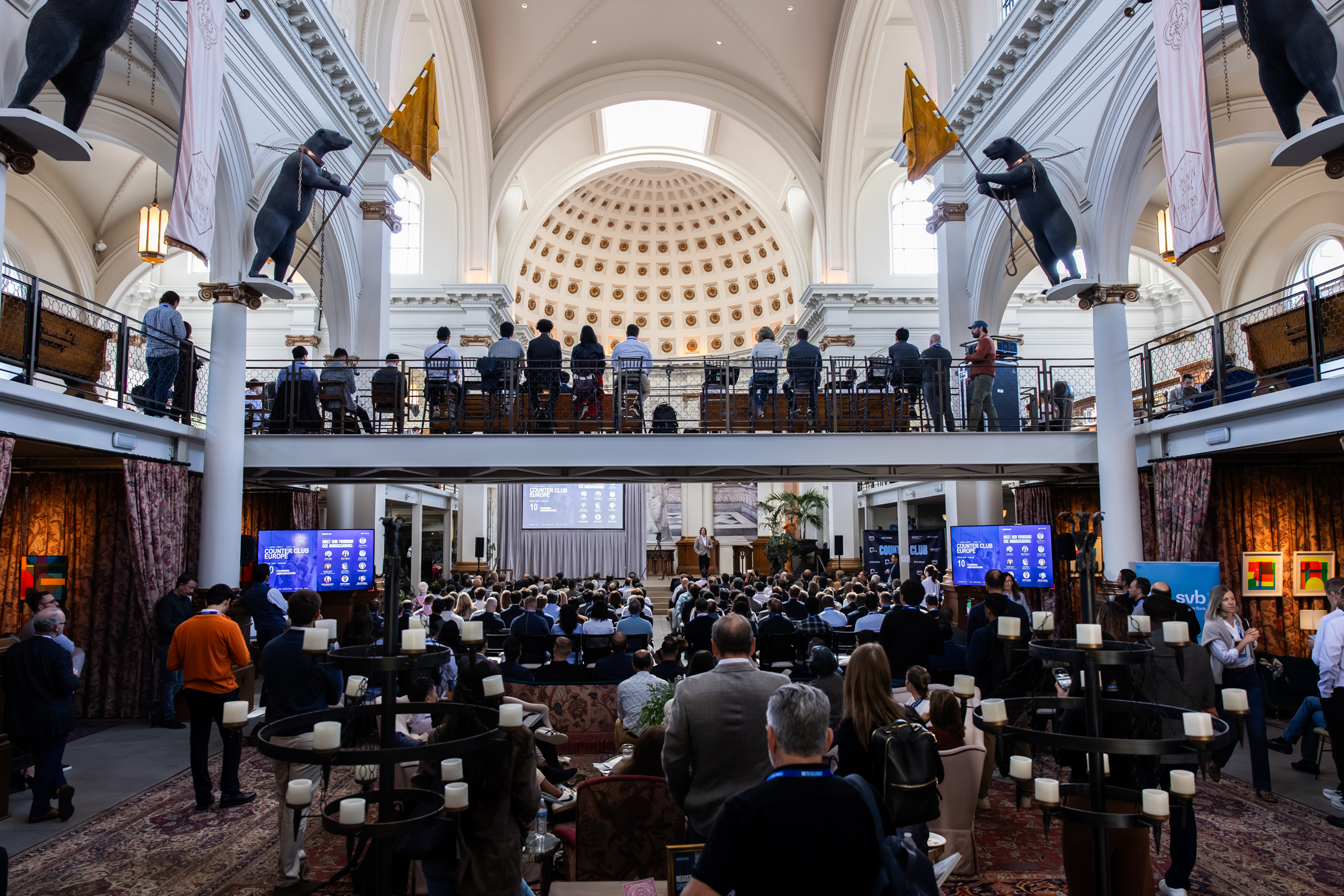
On September 30, 2026, 600+ corporate venture investors packed Saint Joseph’s Arts Society for Counter VII, the main day of CVC Week 2026. Counter VII anchored a week of more than 30 events, which drew 1,500 attendees across the week.
CVCs, log into the CVC Week Portal and head to the Agenda tab to access summary notes for each session!
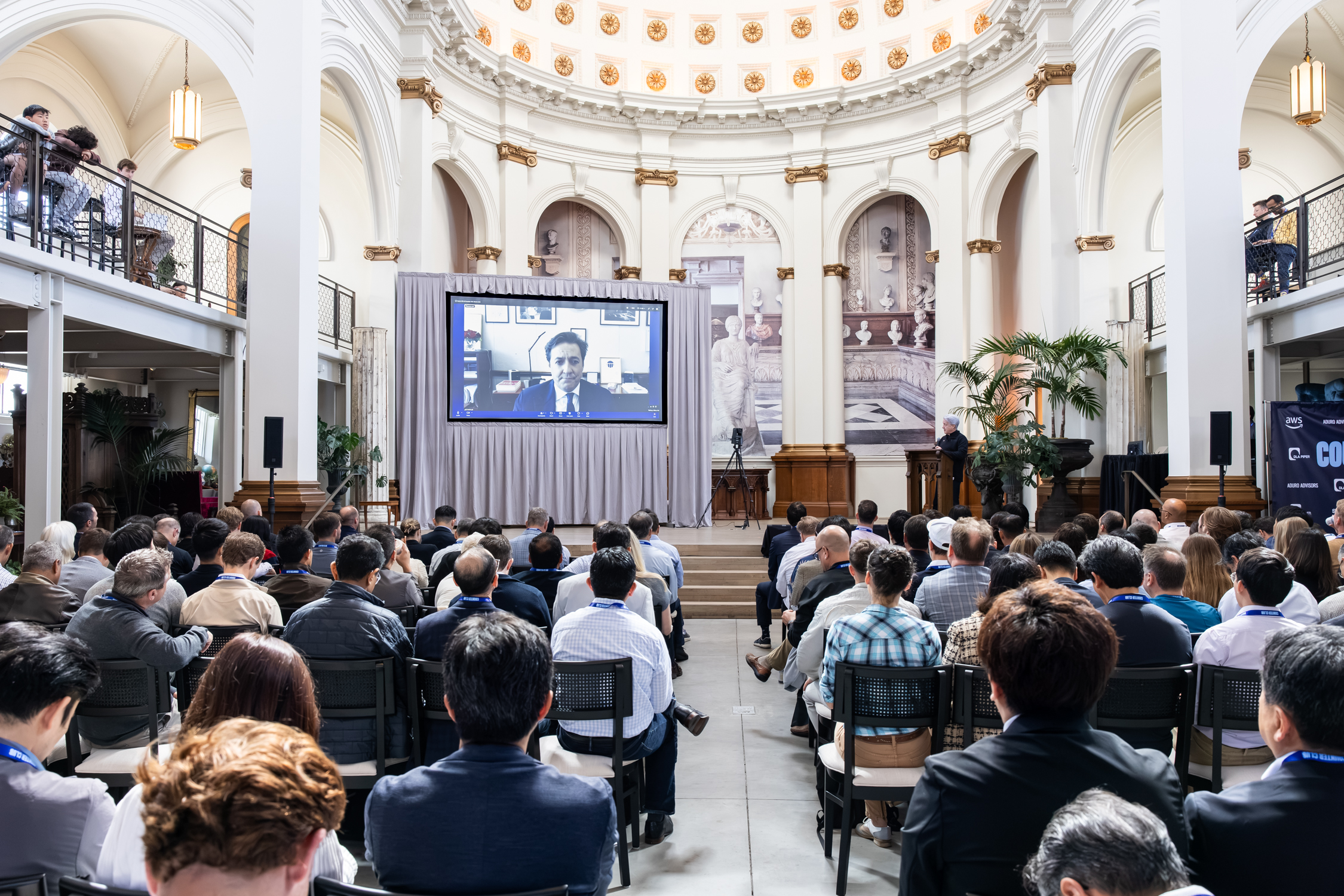
Executing the Genesis Mission | Darío Gil, U.S. Department of Energy, with Jason Hoffman, Switch
After 22 years at IBM, Darío Gil now leads the Genesis Mission, which aims to make America's $1 trillion a year in R&D twice as productive within a decade.
“Make the Genesis Mission your own mission... It’s not a mission of just for the national labs or for the federal government. Together, we want to transform the R&D engine of America.”
- Darío Gil
Joining from the White House, he gave investors dates to plan around: a national challenge for scientifically relevant quantum computers by 2028, and his hope for fusion pilot plants generating electricity in the early to mid-2030s. He asked CVCs to join the Genesis Mission Consortium, now more than 60 institutions.
"We have many of the leading technology companies in the United States, both large, medium, and small… we have some of the leading philanthropies in the United States, universities. But I would love the venture community to be part of that. And by being part of that, you'll be part of the overall strategic design and progress, and there'll be opportunities, for example, with firms that you're investing in in this space that overlap Genesis, which is quite vast.”
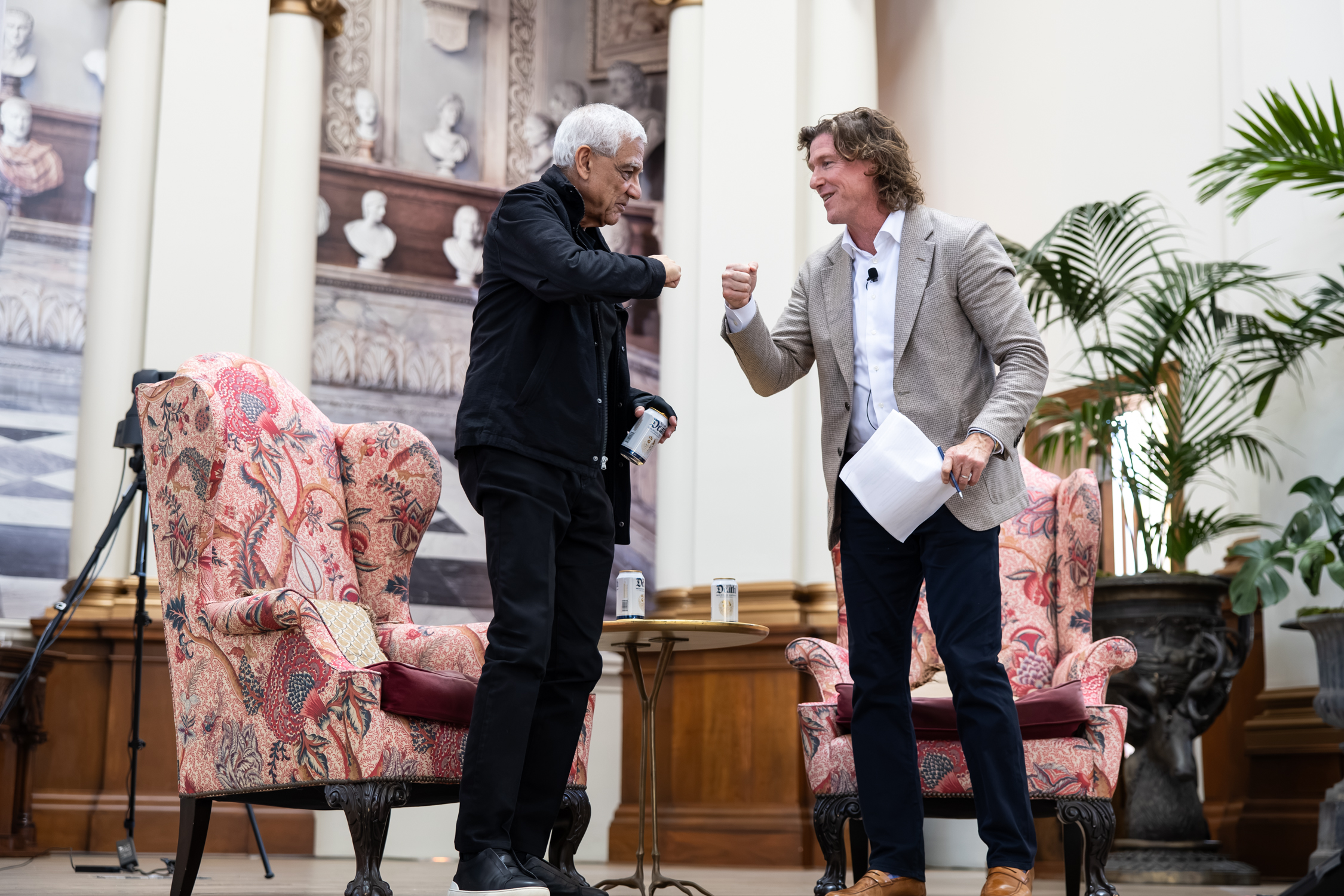
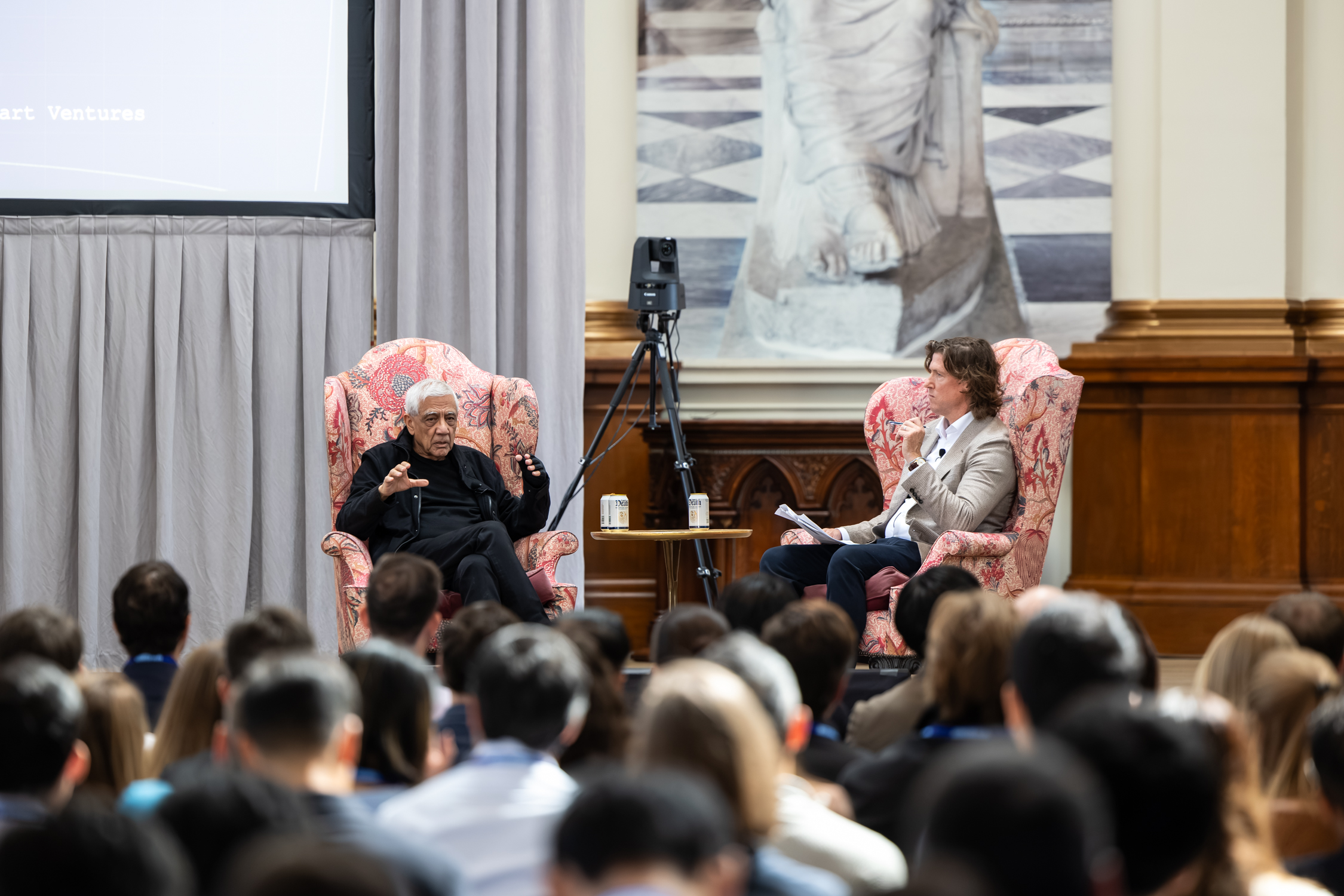
America 2035: How AI is Impacting Life as We Know It | Vinod Khosla, Khosla Ventures, with Patrick Eggen, Counterpart Ventures
Looking ahead to 2035, Vinod's answer centered on AI making expertise close to free. Khosla Ventures already backs AI that does the job itself for more than 30 professions, from accounting to medicine.
"In the next few years, we will have the capability to do 80% of the job of 80% of all workers in America… Doesn't matter whether you're a farm worker, an assembly line worker, an accountant, a McKinsey consultant, doesn't matter.”
He told the corporates in the room that those who start planning now can quadruple revenue per employee by 2030. When Patrick turned to the 20 eighth graders in the audience, Vinod said kids should learn how to learn, choose breadth over depth, and find role models.
“What the world needs is more role models. These kids will do things not based on what they can do, but the role models they find.”
The best way to picture that future, he said, is to look back at a comparable stretch of change:
“I think if we imagine 1970 and the change between 1970 and today, we’ll see that change between today and 2040.”
Inside Inception: How NVIDIA Backs More Startups Than It Employs | Howard Wright, NVIDIA, with Helen Min, Articulate
NVIDIA Inception supports more than 50,000 startups, more than NVIDIA has employees, and takes no equity. It gives founders access to compute, capital and NVIDIA's 35,000+ engineers. Howard Wright told Helen Min that the best CVCs he's seen make the right introduction at the right moment, and that he has started copying Jensen Huang's habit of tackling the hardest problem of the day first.
"The startup's journey is tough. It is a hero's journey, and you gotta be stubborn, you gotta be talented, you gotta be a little bit lucky, and sometimes you just need a corporate big brother to help you along the way, and that's what we aspire to do is to, you know, be a co-traveler with these superstars.”
– Howard Wright
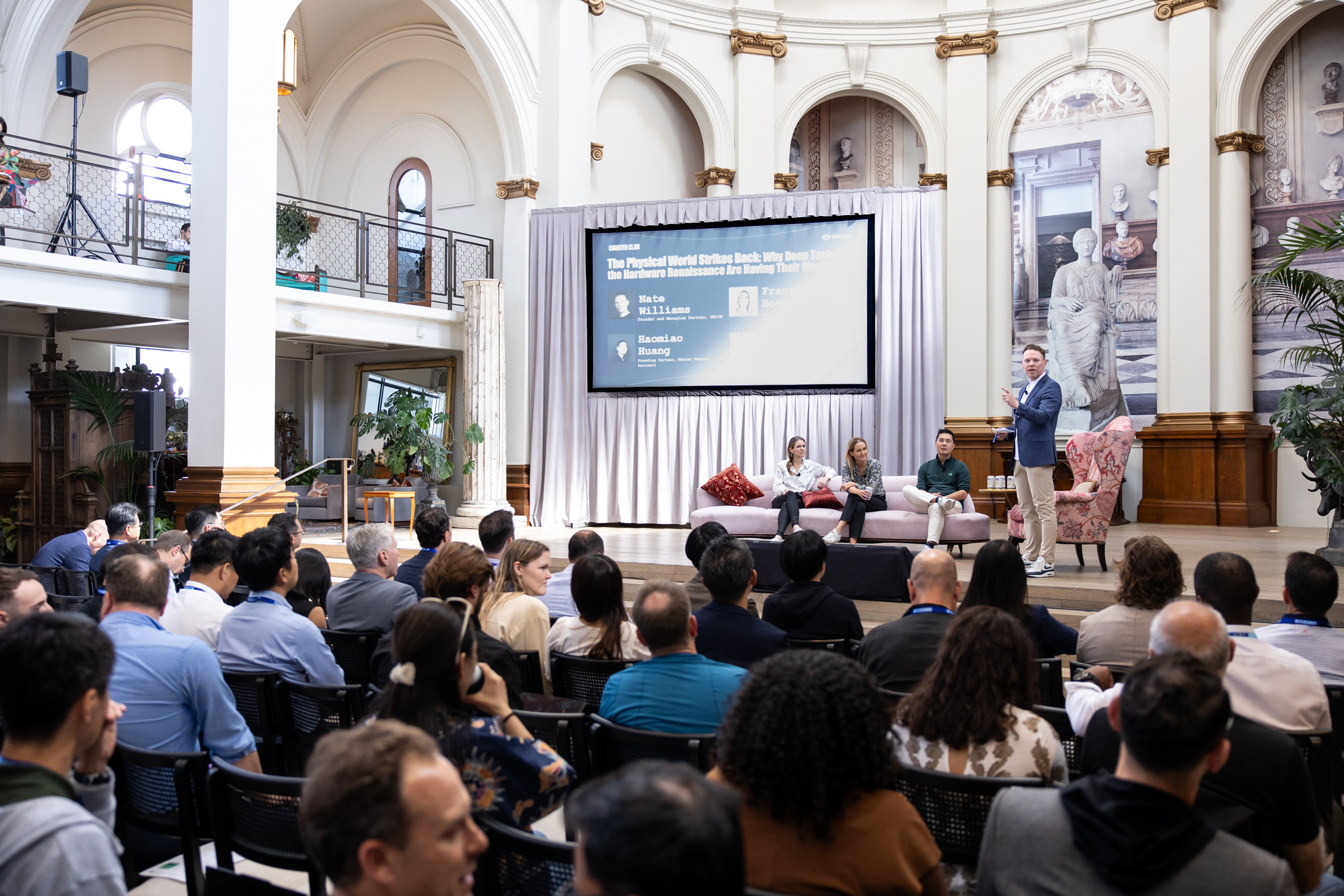
The Physical World Strikes Back | Nate Williams, UNION; Franziska Bossart, Amazon Industrial Innovation Fund; Haomiao Huang, Matter Venture Partners; Aidan Madigan-Curtis, Eclipse
Deep tech is having its moment, but the panel agreed that inventing the technology is rarely the hard part. Scaling it is. Physical AI is full of experiments, but none has reached scale yet, and for a company like Amazon, nothing deploys widely until it's safe. Matter Venture Partners built its fund around this problem, bringing in TSMC, ASML and MediaTek as LPs so its startups have partners who know how to manufacture and distribute. The panel saw a gap corporates are well placed to fill. Investors are pricing anything that looks like deep tech to perfection, while good businesses without a big AI story struggle to raise, and a corporate that knows the industry can spot their value.
"If you have a really credible strategic story, and you're both excited to help them scale and put capital in, you can play now in a way that historically… pure play financial investors would've crowded you out. So I would say, don't be afraid to lead and to lean in."
– Aidan Madigan-Curtis, Partner, Eclipse
"The hard part wasn't inventing the technology, it's how do you scale it and get it out into the world."
– Haomiao Huang, Founding Partner, Matter Venture Partners
"The opportunity is huge, especially in the physical AI space… Everybody's playing with everything. But we are out there every day talking to all of these companies. What I don't see yet is anything at scale."
– Franziska Bossart, Director of Corporate Development, Amazon Industrial Innovation Fund
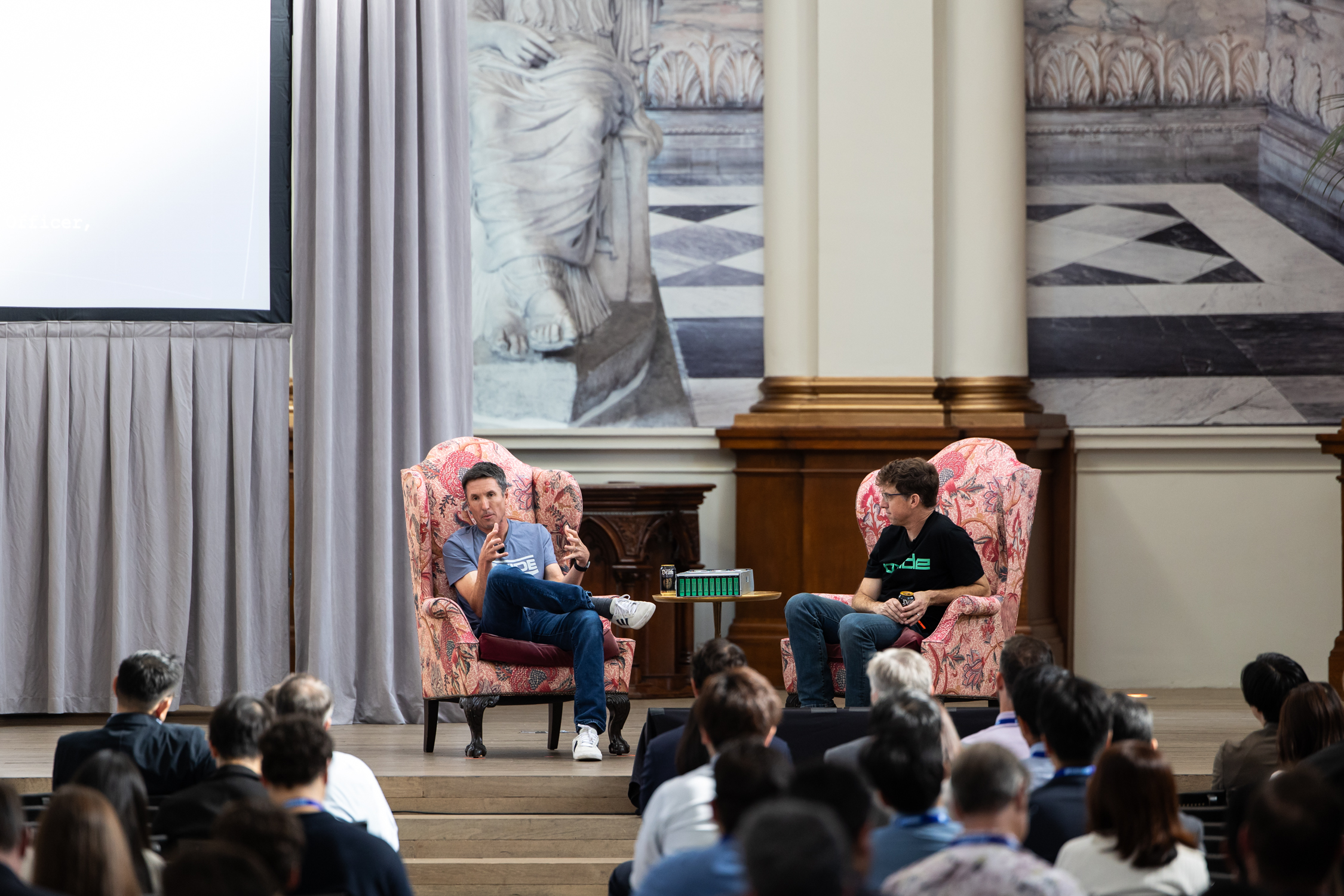
Against the Stack: The Contrarian Journey Behind Oxide | Steve Tuck and Bryan Cantrill, Oxide Computer Company
Steve Tuck and Bryan Cantrill gave one of the most candid founder talks we've ever heard at a conference, giving us a behind-the-scenes look at fundraising in all its perceived glory, absurdity and gamesmanship. The two raised Oxide's seed round in 2019 to sell companies the kind of rack-scale computers Amazon and Facebook built for themselves. At the height of the SaaS boom, VC after VC asked why they had to do the hardware at all, and a few years later, why they weren't building around GPUs. Bryan said investors could see both outcomes in Oxide's contrarian bet at once.
"When you have things that are contrarian, they are at once catnip and rat poison to VCs."
— Bryan, Co-Founder and CTO, Oxide Computer Company.
Steve said what carried them through was a cap table with real conviction, including CVC investors who have been essential on supply, manufacturing and distribution.
"One of the most important things that we did was build a cap table that had a long-term vision, had real strong conviction, and strong stomachs through hard times."
– Steve Tuck, Co-Founder and CEO, Oxide Computer Company
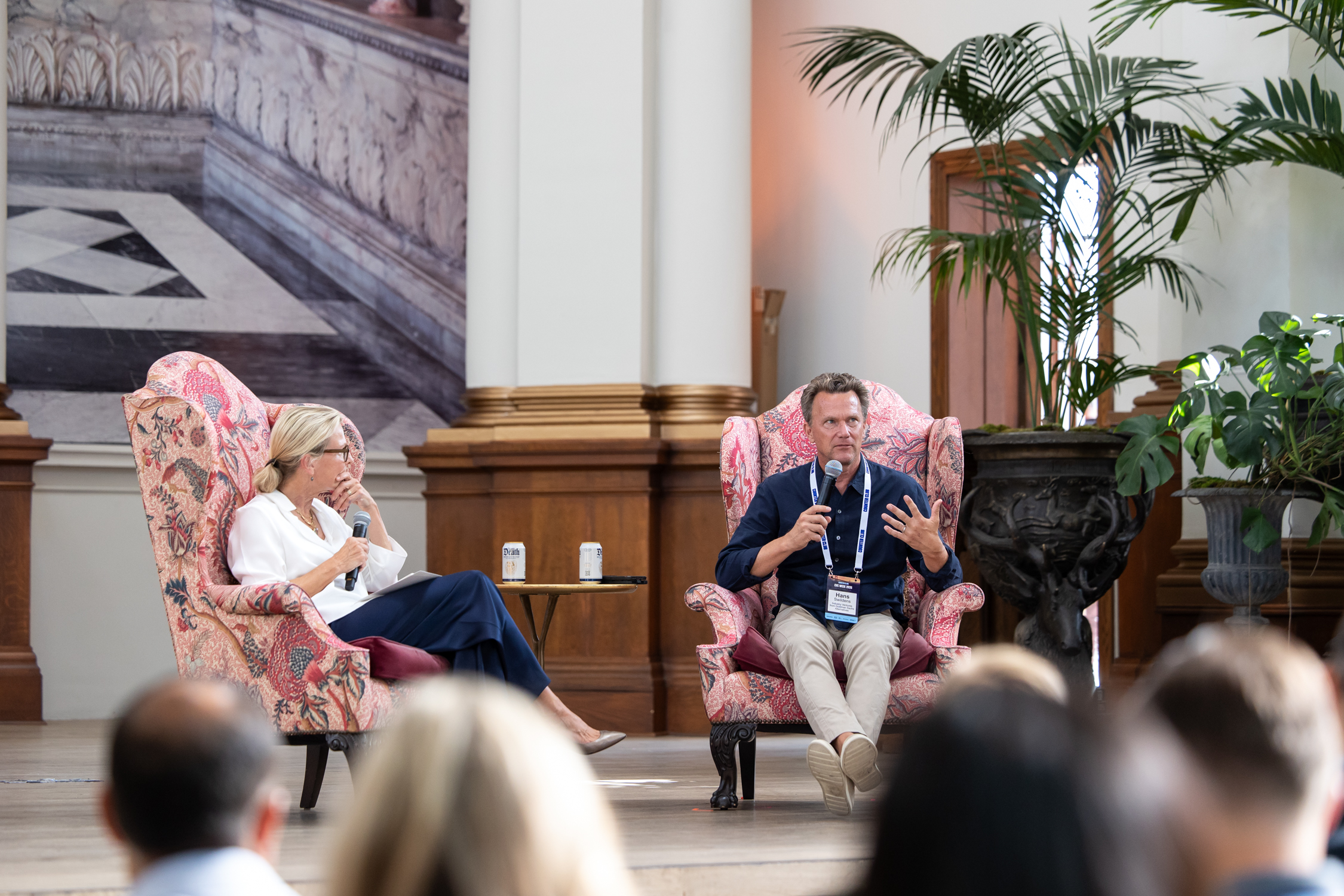
Where Secondaries Are Headed | Hans Swildens, Industry Ventures, with Amy Banse, Mosaic GP
Hans Swildens got into secondaries out of necessity. When the dot-com crash sank a $500 million deal to sell his startup, Speedera, he bought out the company's debt and the would-be buyer's stake, which he counts as his first secondary deal. He founded Industry Ventures in 1999, has restructured or bought more than 50 CVCs, and sold the firm to Goldman Sachs last year. He told Amy Banse that liquidity is back but concentrated in about 30 of some 3,000 venture firms. For everyone else, secondaries now show up everywhere, from tender offers to stakes sold in funds and companies to pieces of primary rounds.
"What started as a small niche now is pervasive in the whole market. It's a structural change that's happened in the last decade."
– Hans Swildens, CEO and Founder, Industry Ventures
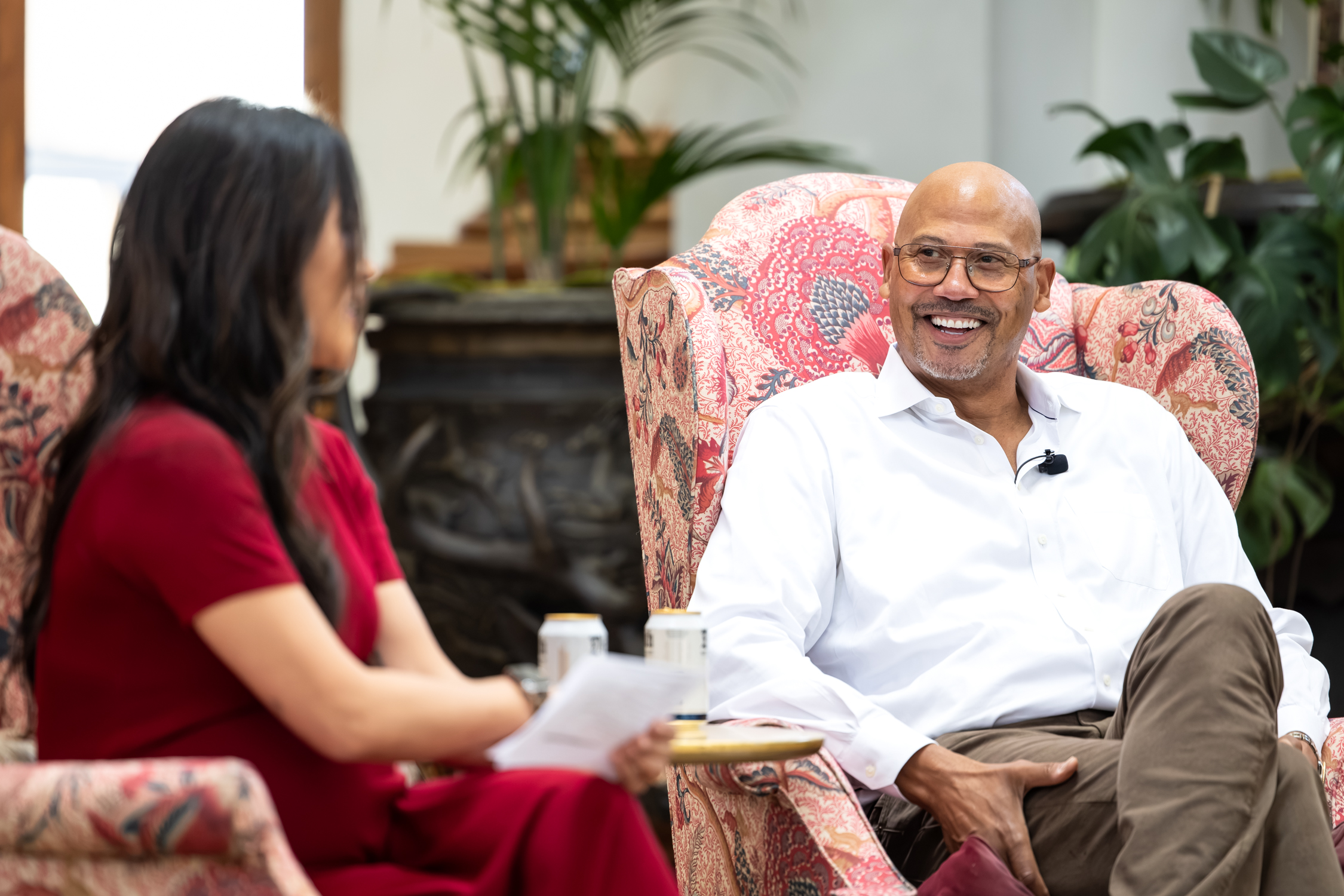
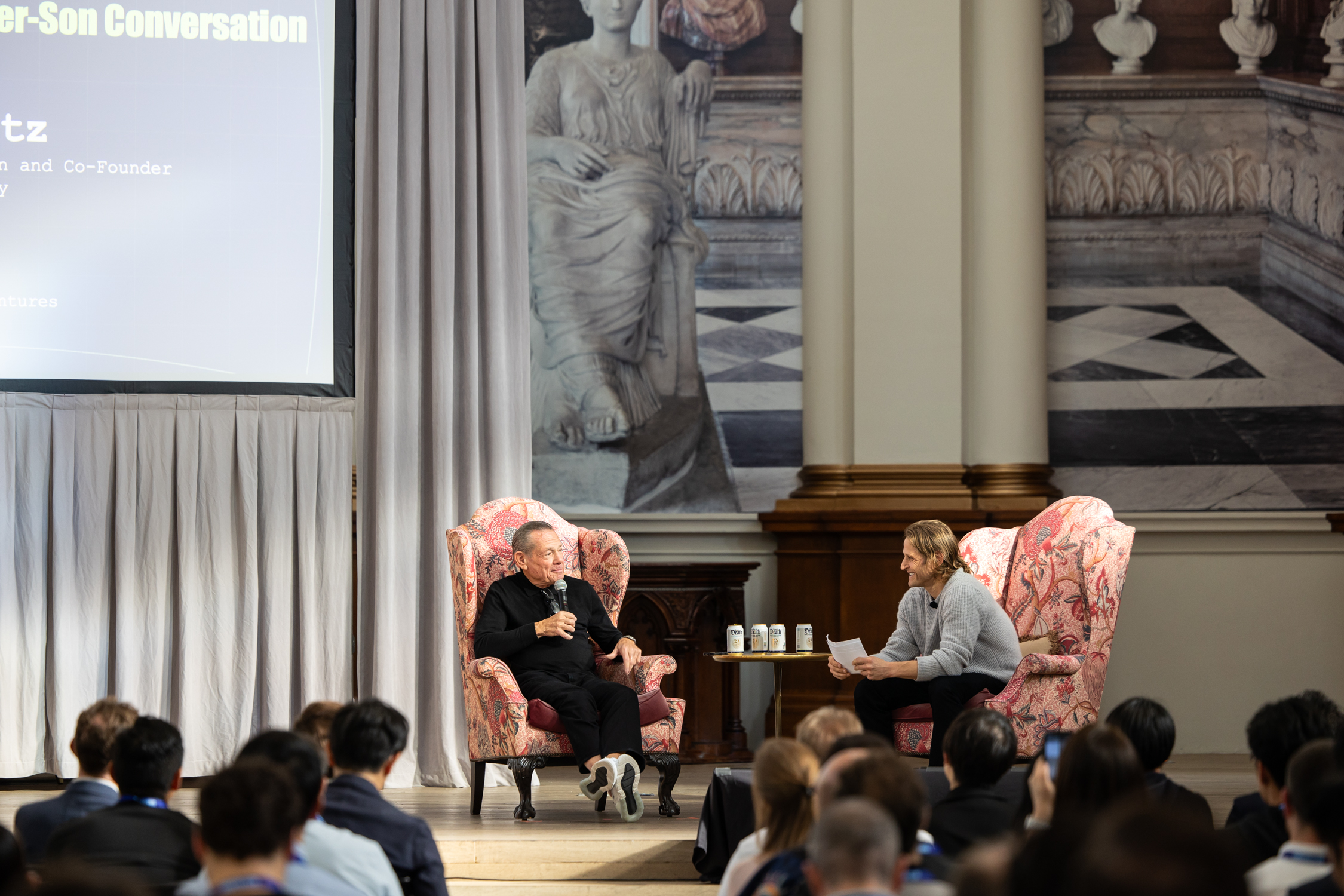
Keynote: From CAA to Capital | Michael Ovitz, CAA and Gallery Ventures, with Chris Ovitz, Gallery Ventures
Michael Ovitz founded Creative Artists Agency and built it into the world’s leading talent agency. He advised Sony on its acquisition of Columbia Pictures, negotiated Matsushita’s acquisition of MCA/Universal, and won the Coca-Cola account from the advertising establishment. He later helped shape the playbook for Andreessen Horowitz, became a longtime senior adviser to Palantir, and co-founded Sound Patrol to protect artists’ rights in the AI age. Today he chairs Gallery Ventures, which he is building with his son Chris, a three-time founder and General Partner at the firm.
Chris Ovitz opened by admitting that, like most sons, he hadn't taken his father's advice, but today he would ask for it publicly. Michael had spent ten years trying to get Chris to work with him before Chris finally joined him, and Counter VII was their first public appearance together. Their conversation ranged from Hollywood and AI to backing founders and what Michael has learned along the way.
Michael calls himself a generalist who became a specialist in each field as it came to him, from advertising to investment banking to packaging films, by learning on the job. When CAA moved David Letterman from NBC to CBS, he had to master late-night television fast, and the team cleared 240 CBS stations for the show in a week. He calls AI the most interesting thing he's ever seen, because it lets anyone learn that quickly.
"Today, I'm a specialist in everything, so is everyone in this audience. We have the luxury right now of being instant specialists."
When asked what excited him most about venture, Michael's answer was the people, not the idea. He looks for a founder's intellect, drive and integrity, which he says you can tell very fast, and across a couple hundred personal investments.
"I don't think we have an investment in a business where we're not in love with the founder. Not one."
He's even backed an idea he didn't believe in because he believed in the founder.
"I gave him a check for an idea I thought was one of the worst ideas I've ever heard in my life. But I knew the second idea was gonna be great because once he failed with the first one, his ego would dictate to get back up on that horse."
When Chris asked where he finds the confidence to keep stepping into new fields, Michael pointed to curiosity. He said he goes down a rabbit hole on anything that interests him, and that hearing new ideas every day is enough to keep anybody going.
"I think that the concept of staying interested is very akin to staying alive."
Corporate investors, log into the CVC Week Portal and head to the Agenda tab to access summary notes for each session.
If you're a CVC professional and not yet part of Counter Club, join 1,800+ members at counterclub.vc.
.svg)